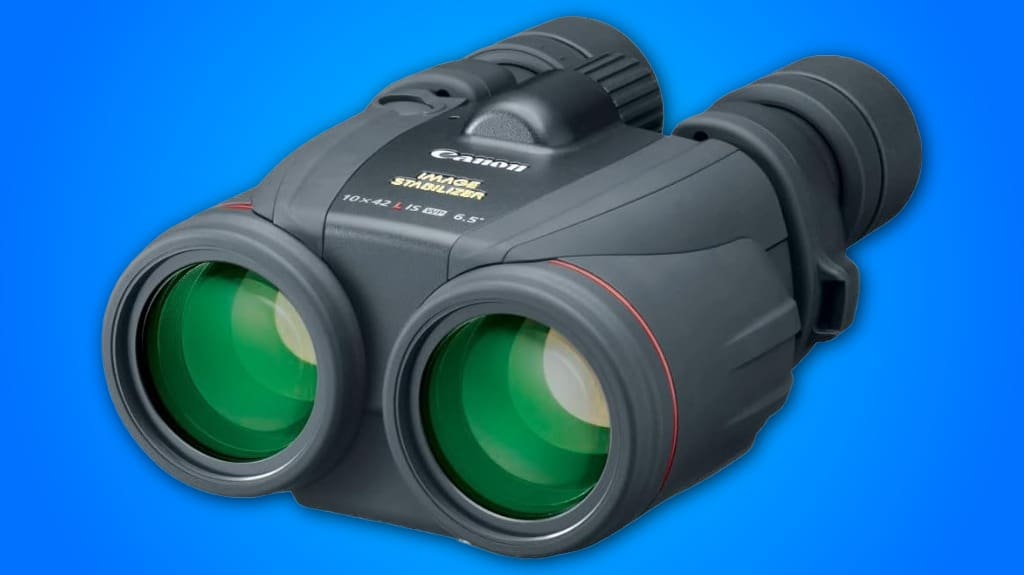
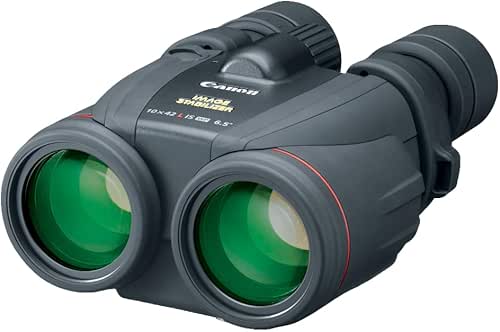
You’ll get steady, bright views on deck with the Canon 10x42 L IS WP binoculars; its image stabilization cuts boat roll and pitch, so engage it before you lift the bins. The UD glass keeps colors true and reduces purple fringing, giving punchy contrast at dawn or dusk. It’s IPX7-sealed, so rinse after a dunk and dry with a lint cloth. It’s heavy and uses AA cells, so bring spares and a rail or monopod. Keep going for detailed tips.
Some Key Points
- Image stabilization delivers steady, low-fatigue 10x views, especially useful on moving boats or for long observation sessions.
- Optical design with two UD elements per side yields strong color fidelity, reduced purple fringing, and high contrast.
- IPX7 waterproofing protects against immersion and heavy rain; rinse after salt exposure and dry before storage.
- Heavier weight (3.78 lb) and reliance on AA batteries trade portability for stabilized performance.
- Best practice: engage stabilization before lifting, rest on rail/monopod for long use, and disable when tripod-mounted.
Image-Stabilized Marine Optics
If you’re using binoculars on a moving boat, image stabilization isn't optional — it's essential. You’ll want optics tuned for marine applications, so pick gear that counters roll and pitch without lag. Mount hands on the body, keep elbows tucked, and engage the stabilizer before scanning distant buoys, birds, or coastline. Expect clearer horizons at 10x, less fatigue, and steadier target acquisition when tracking objects. Test settings in calm water first, then increase motion to confirm responsiveness. Note battery life under prolonged use, bring spare AAs, and log user experiences to refine mounting and handheld techniques for repeatable results.
0x Magnification Image Steadiness
When you bump magnification up to 10x, image steadiness becomes a practical concern because every small shake is magnified tenfold; with Canon's image-stabilized 10x42 L, you'll notice a much steadier view than with standard 10x binoculars, but you still need to use good technique. You should engage the image stabilization technology before lifting the binos, steady your elbows against your ribs, and breathe slowly while framing. Resting the binoculars on a rail or monopod helps for long sessions. Expect reduced magnification effects from hand tremor, not elimination; switch stabilization off when using a tripod to avoid feedback.
Color Fidelity and Contrast
Because Canon's L-series optics use two ultra-low dispersion (UD) elements per side, you'll see colors that stay true across the frame, with much less purple fringing around high-contrast edges than on cheaper 10x bins. You’ll notice strong color accuracy when scanning shorelines or bird plumage, with reds and greens remaining distinct at distance. Contrast stays punchy, so shadow detail isn't lost, and midtones remain faithful. For best results, adjust eye relief and focus slowly to lock on fine hues, use the stabilizer for steadier inspection, and check views in varied light to confirm consistent image clarity.
Sealed to IPX7 Waterproofing
Since the Canon 10x42 L bins meet IPX7 standards, you can trust them to survive being submerged in up to one meter of water for 30 minutes, which makes them safe for sudden drops off a boat, heavy rain, or accidental dunking in a kayak. You’ll appreciate the clear waterproof rating when planning trips, and you can push limits without worrying about immediate failure. For best results, follow simple durability testing routines: rinse with fresh water after salt exposure, dry with a lint‑free cloth, and store with silica packs. Those steps keep seals healthy and performance consistent.
Pros & Cons
You’ll appreciate that IPX7 waterproofing, but let’s look at the practical upsides and downsides so you can decide if these bins fit your use. You get stabilized, sharp L-series optics that cut chromatic aberration and boost low-light performance, improving user experience during dawn or on deck. The image stabilizer reduces shake, aiding prolonged viewing, and user comfort is strong with intuitive controls. Downsides: at 3.78 pounds they’re heavy for handheld hikes, and reliance on AA batteries adds logistics. If you prioritize steady, bright views and can manage weight and batteries, these deliver; otherwise consider lighter alternatives.
Carry Spare AA Batteries
Bring at least two spare AA batteries every time you head out with the Canon 10x42 L binoculars; they run on two AAs and the image stabilizer can drain power faster than you expect. Pack fresh alkalines or high-quality rechargeables in a small waterproof case, and label them charged. Swap batteries before long sessions to preserve battery longevity, and carry a compact charger if you’ll be away several days. For marine trips, keep backup power in a dry bag, separate from electronics. Test batteries before use, note runtime in your log, and replace any cells that show voltage drop under load.

Are Replacement Eyecups Available Separately?
Yes — you can buy replacement eyecups for these binoculars, and checking eyecup compatibility matters. Order genuine Canon eyecups from Canon support or authorized dealers, they fit the 10x42 L model and preserve image stability. If you prefer third‑party options, match the thread size or model number, and confirm return policies. Keep your original eyecups handy while testing new ones, so you can compare comfort, seal, and eye relief immediately.
Can They Be Used With Prescription Glasses Comfortably?
Yes, you can use them with prescription glasses comfortably if you set the eyecups down to the lowest position, which gives about 4.2mm exit pupil and more eye relief. For best optical performance, fold the rubber eyecups in and hold the binoculars at a steady distance from your face; use the image stabilizer to reduce shake. Try different eyeglass positions and adjust interpupillary distance until the full field fills.
Do They Float if Dropped in Water?
No, they don’t float if dropped in water, but they’re water resistant and built for marine use. You should perform durability testing by tethering them with a floating strap or lanyard before serious use. If you’re near deep water, add a foam float or inflatable keeper, and test battery hatch seals periodically. Rinse with fresh water after salt exposure, dry thoroughly, and replace worn seals to keep performance reliable.
Is There a Dedicated Carrying Case Included?
No, it doesn’t include a padded hard case, but you’ll get a soft carrying pouch and neck strap for basic protection. For better carrying case features and portability options, buy a rigid waterproof case with foam inserts, or a padded sling bag with quick-access pockets. Choose one sized for 8.4 x 7 x 5.2 inches, with belt loop or MOLLE straps for hands-free carry. That keeps optics safe and stable on outings.
Are Rechargeable AA Batteries Recommended?
Yes, you can use rechargeable AA batteries, and they often improve battery longevity compared to alkalines if you use high-capacity NiMH cells. For best performance comparison, use 2000–2500 mAh NiMH cells, keep a charged spare, and avoid low-cost cells that drop voltage under load. Expect shorter run time than alkaline initially, but far lower long-term cost and waste, so they're the innovative, practical choice for regular use.